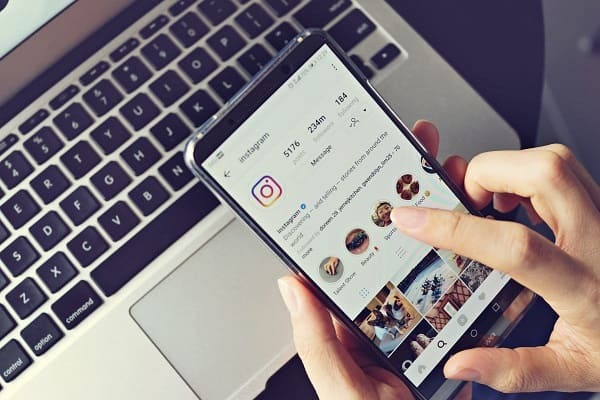
In the age of digital media, Instagram has become a dominant platform for sharing personal experiences, insights and creative work. However, it is also a space where reality can be manipulated to fit into an aesthetically pleasing feed. This phenomenon is often referred to as the ‘Insta Myth’, where users edit their reality to create an idealized version of their lives that they present to the world.
The Insta Myth arises from our natural desire to portray ourselves in the best possible light. We are inherently social creatures who crave validation and acceptance from our peers. Instagram provides a platform where we can control how others perceive us by carefully curating what we choose to share.
This curation process involves more than just selecting which photos or videos make it onto our feed. It includes everything from choosing the right filter, cropping out undesirable elements, adjusting lighting and saturation levels, and even staging entire scenes just for that perfect shot. In essence, we are not merely documenting our lives; we are producing them.
However, this constant need to present an idyllic version of life on Instagram can have detrimental effects on mental health. A study conducted by The Royal Society for Public Health in the UK found that Instagram was rated as the worst social media platform for young people’s mental health due its impact on body image issues and sleep quality among other things.
The pressure to keep up with unrealistic standards set by influencers or even friends can lead to feelings of inadequacy or low self-esteem when one’s own life doesn’t measure up visually. Moreover, spending too much time editing reality for public consumption leaves less time for genuine human connection and real-life experiences.
Despite these pitfalls associated with the Insta Myth phenomenon, it’s important not How to view Instagram profile itself but rather acknowledge how it’s being used destructively. After all, at its core function -Instagram is a powerful tool allowing individuals around globe connect through shared visual content.
What needs addressing is the culture of perfection that has been cultivated on these platforms. It’s crucial for users to understand that what they see on someone else’s feed is not a full representation of their life, but a carefully crafted highlight reel.
In conclusion, while Instagram and other social media platforms offer an incredible opportunity to share our lives with others, it’s important to remember the ‘Insta Myth’. The images we see are often edited versions of reality. As consumers and producers of digital content, we should strive for authenticity over aesthetic perfectionism. By doing so, we can foster healthier online communities where individuals feel comfortable sharing both their triumphs and struggles alike.